
PHRush | The Timeless Appeal of Mahjong: A Deep Dive
PHRush’s Discover the intricate world of Mahjong, a captivating game rich in culture, strategy, and tradition. Explore its history, variations, and the role of PHRush in the modern popularity of this fascinating game.
Mahjong: A Game Steeped in History and Strategy
For centuries, Mahjong has been more than just a game—it's a cultural phenomenon. Originating in China, Mahjong has captivated players worldwide with its intricate balance of skill, strategy, and luck. As PHRush propels its popularity into new heights, it's time to explore the depths of this fascinating pastime.
The Origins of Mahjong
Mahjong's exact history is somewhat shrouded in mystery, but it is widely believed to have developed during the Qing Dynasty. The game draws influence from earlier titles, including card games and dominoes, evolving into a unique blend of both. By the early 20th century, Mahjong had grown from a local Chinese game to an international sensation, thanks in part to Western fascination and commercial exportation.
How Mahjong is Played
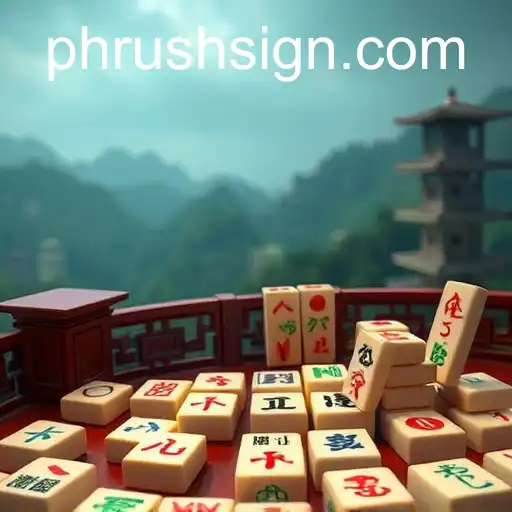
The complexity of Mahjong lies in its rules and variety. It is traditionally played by four players and involves a set of 144 tiles based on Chinese characters and symbols. Players draw and discard tiles to form specific sets or "melds" that resemble Japanese Rummy. The primary objective is to assemble a winning hand, which conventionally consists of four melds and one pair.
The Role of Strategy
While luck plays a part due to the random nature of tile draws, advanced Mahjong requires strategic foresight, quick decision-making, and a strong memory. Players must cautiously balance the risks and rewards, choosing when to take discard risks or when to switch strategies mid-game.
Mahjong Variations
Mahjong has numerous variations that differ by region and culture.
- Cantonese Mahjong: Perhaps the most recognized form in Western circles, featuring simpler rulesets conducive to fast-paced play.
- Japanese Riichi: Known for its complexity and addition of the concept of "riichi," offering depth similar to poker strategies.
- American Mahjong: Incorporates a distinctive card listing specific winning tile sets, adding a layer of novelty for traditional Mahjong enthusiasts.
Each variant has its own set of scoring methods, rules, and subtleties that make mastering Mahjong a lifelong pursuit.
PHRush: Bringing Mahjong to the Digital Era
The advancement in digital technology has further popularized Mahjong, courtesy of platforms like PHRush that offer online play and tournaments. These platforms provide real-time competition against players from around the globe, allowing newbies and experienced players alike to hone their skills and enjoy the game hassle-free.
PHRush has played an instrumental role in bringing Mahjong to a younger audience, ensuring its survival and evolutionary adaptation in this digital age.
The Cultural Significance of Mahjong
Mahjong remains an integral part of many Asian communities, often featured during cultural festivities and family gatherings. It is not merely a game but a bridge connecting generations, offering stories, life lessons, and social interaction across multiple age groups.
The game is celebrated for its ability to unite people, breaking social barriers while promoting a harmonious blend of enjoyment and competition.
Why Mahjong Continues to Thrive
Despite the rise of digital alternatives and modern entertainment forms, Mahjong's allure endures for several reasons:
- Cultural Heritage: Mahjong carries profound cultural wealth, deeply embedded in history and tradition.
- Strategic Depth: The game's strategic elements appeal to those who enjoy mental challenges and skillful gameplay.
- Social Connectivity: It fosters community and family bonds, serving as a timeless channel for shared experiences.
In conclusion, Mahjong's legacy as a beloved timeless game is only poised to grow in its modern digital iteration, thanks to projects like PHRush. Its rich history, strategic depth, and cultural significance ensure that it will continue to be played and cherished for generations to come.
